
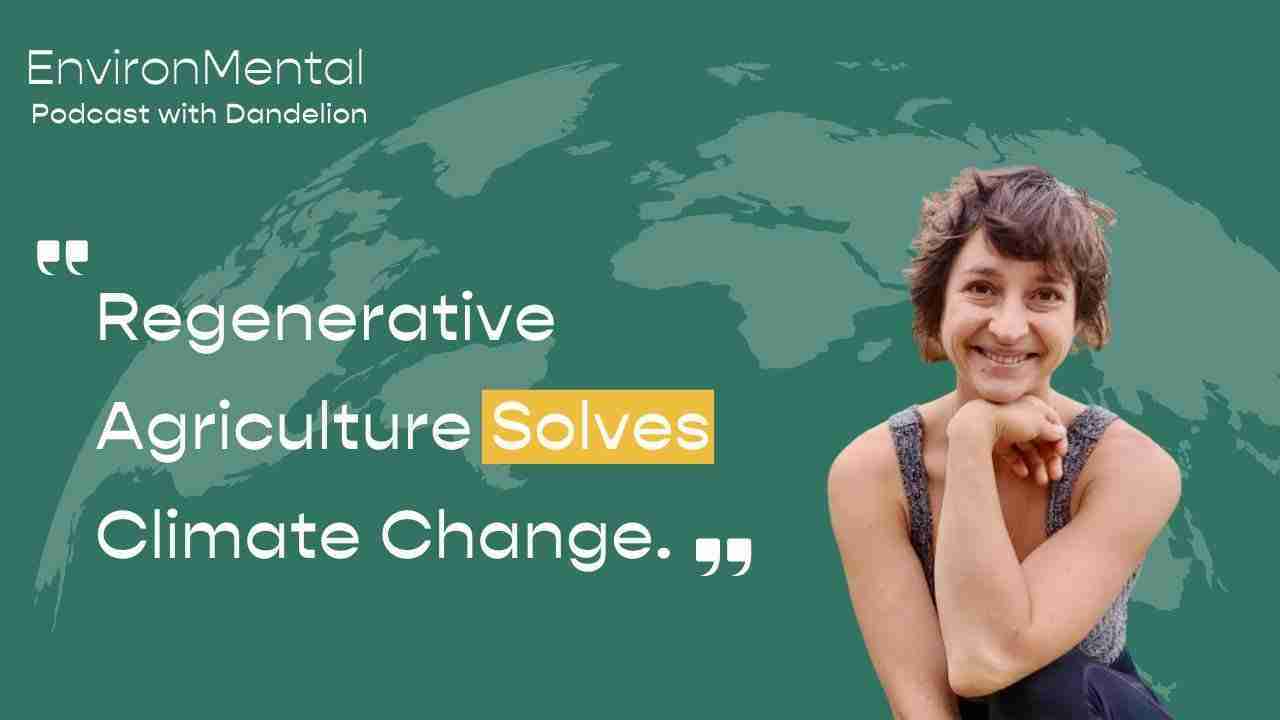
“If we could plug this into everyone’s brain today, it would be like something to the effect of, “Regenerative agriculture solves climate change.’”
— Madeleine Hamann on regenerative agriculture & building a regenerative brand
Click Here to Watch the Regenerative Agriculture Episode on YouTube
In our latest Environmental Podcast, we spoke with Maddie Hamann, co-founder and Director of Marketing for PACHA. PACHA is a regenerative brand best known for their gluten-free, organic bread products made from buckwheat and packaged in home-compostable materials.
(Click here to jump to your 20% off coupon)
Maddie shared insights into the transformative power of regenerative agriculture and how building a regenerative brand is more than a money-making venture. From the real complexities of defining regenerative agriculture to PACHA’s role in shifting and important narrative, this episode is packed with inspiration for businesses and individuals who are interested in making regenerative practices more accessible.
Regenerative Agriculture? A Regenerative Brand? What’s that?
We always like to start with level footing. When most people talk about ‘regenerative,’ they’re talking about agriculture.That’s where the regen movement started from, and where a lot of the conversation is still centered around.
In a nutshell, regenerative agriculture is a farming approach that prioritizes soil health, biodiversity, and ecological balance. Unlike conventional farming, which often depletes the soil, regenerative practices restore and enhance it, creating healthier ecosystems and turning agricultural fields into carbon sinks.
In a similar vein, a regenerative brand is a business that goes beyond sustainability by actively restoring, replenishing, and improving the ecosystems, communities, and systems it interacts with. These are community-centric brands that are considering the impact and lifestyle of their products along with sourcing ingredients directly from farmers who farm regeneratively.
The Complexity of Defining Regenerative
The beauty, and the challenge, of “regenerative” as a concept is that it isn’t easily defined. Unlike something like the organic certification, which has strict guidelines, regenerative agriculture allows for a more flexible approach because it’s always tailored to the ecosystem it’s being applied in.
“The focus is on steady progress and adapting practices that reduce pesticides, improve soil health, and build resilience.”
– Maddie Hamann on defining “regenerative”
From the standpoint of a regenerative brand, this flexibility can lead to confusion for customers. One good example is that a regenerative certification doesn’t always mean pesticide-free. That can be a hard pill to swallow for those expecting perfection.
Additionally, since being a “regenerative brand” is still a new concept, and there aren’t strict regulations around this title, we see a real potential for greenwashing in this space. Our advice here? Don’t let the label derail your thirst for learning about the products you consume.
“It’s important to educate people on what regenerative agriculture really means and why it’s so impactful,” Maddie emphasized.
Brands like PACHA work with the Soil and Climate Initiative, a certification program that helps bridge the gap between the farmers who are transitioning to regenerative and the brands that want to make (and scale) their regenerative commitments.
PACHA: A Regenerative Brand Shifting the Narrative
PACHA is a great example of a regenerative brand. They drive change by collaborating with a network of farmers to support regenerative practices.
And they source (mostly) regeneratively farmed buckwheat to star in their products because it’s a crop that perfectly fits into regenerative systems. Its short growth cycle allows farmers to plant it between seasonal rotations, protecting the soil and providing nourishment for pollinators.
“At PACHA, we use our platform to tell the story of buckwheat in a way that resonates with people—not just for environmental reasons but because it tastes amazing and meets real consumer needs”
– Maddie Hamann
And of course, being a regenerative brand is about more than the products themselves. PACHA’s mission is to make regenerative agriculture accessible and relatable to the average consumer. They use their storytelling platform to focus on helping people understand the complexity of our food systems and the products they use everyday.
“The key is to show people the tangible benefits of regenerative farming. Whether it’s the superior taste of regenerative crops or the beauty of a thriving, green field in winter, these stories connect people to the impact of their choices.”
Maddie on PACHA’s storytelling
Marketing and Storytelling Ideas for Regenerative Brands
For brands working towards becoming regenerative, the right storytelling is going to be the edge that drives awareness and change. We’ve worked on telling regenerative agriculture stories for years, and these are some of our insights.
- Always Start with the Tangible Benefits. A consumer audience always cares more about their needs than your mission. Emphasize the real-world results of your products at least as often as you talk about the method to reach it.
- The Visuals are Vital. There’s no ifs, ands, or buts here – regeneration is beautiful. Show it as often as you can, whether it’s lush fields, vibrant crops, or happy employees.
- Don’t Try to Save Face. Regenerative brands have real challenges – it’s more expensive, more complex, and the transition isn’t ever straightforward. Stay honest when you’re challenged and focus on educating.
- Let it feel like a broken record. When you’re bringing a new, game changing concept to the world, you’re going to have to repeat your message over and over. Don’t over complicate it. It feels like a skipping CD to you, but it may be the first message for your new audience members.
- Position Regenerative as a real solution. Make it clear that supporting regenerative brands isn’t just a nice-to-have, it’s a real solution to the climate crisis that your customers can be part of.
💡 Ready to craft your own sustainability story? Get our UnF*nk Your Marketing Checklist and start building a narrative that resonates and inspires action.
Connect with Maddie
Use code: dandelion20 and take 20% off your first purchase at livepacha.com
Want to learn more about Pacha’s work and regenerative agriculture? Explore their mission and products at the PACHA Website.
And make sure that you give the brand a follow on Instagram @livepacha
And of course, don’t forget to follow us on Youtube and wherever you listen to your podcasts. We post new episodes of EnvironMental with Dandelion on the first and third Wednesday of every month.
Dandelion Branding is a content marketing agency. Our goal is to help impact brands by building the only marketing strategy they will ever need.