
In the modern sustainability sector, there is a growing divide between elected officials and the priorities of the constituents they represent. This political nightmare is nowhere more visible than in the West Virginia Sacrifice Zone—a region historically utilized as an “extractive state” to fuel American energy at the cost of environmental health
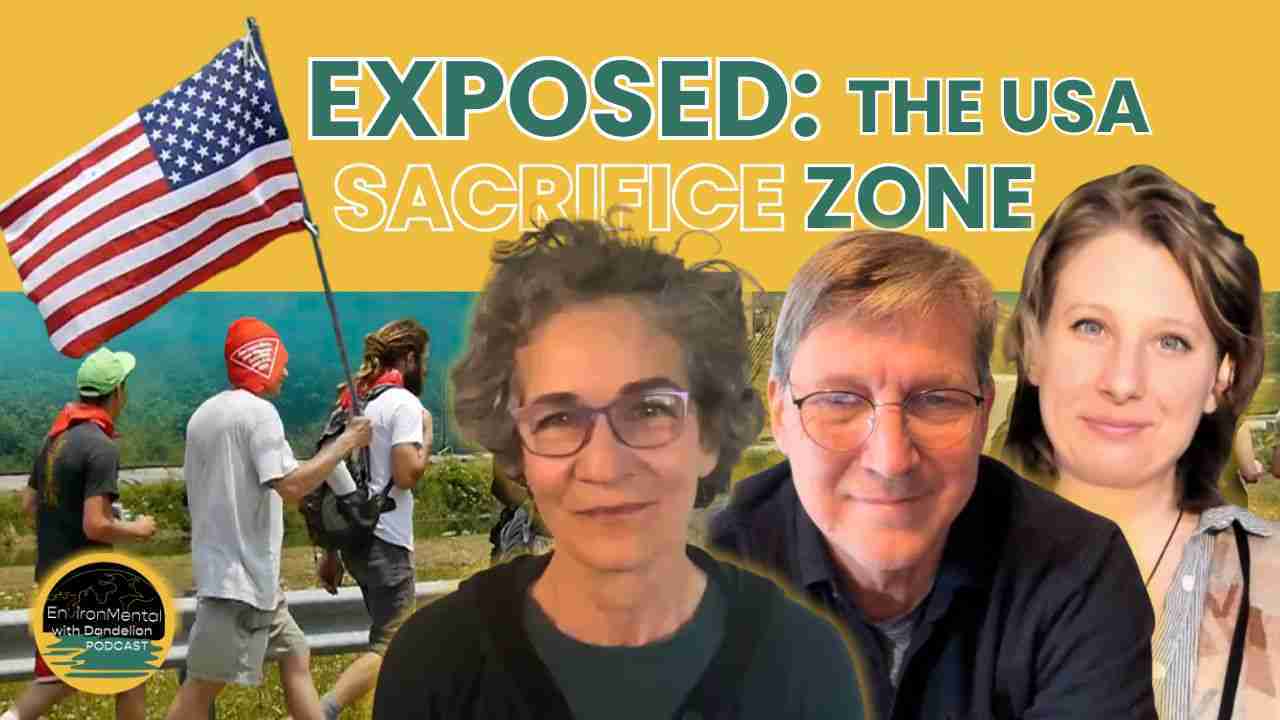
On this episode of EnvironMental with Dandelion, I sat down with filmmaker Babette Hogan and activist Paul Corbit Brown to discuss their documentary, Running for the Mountains. The film documents 15 years of fossil fuel extraction and its devastating impact on Appalachia. Chris Hedges famously referred to West Virginia as a “sacrifice zone,” a label Paul Corbit Brown confirms has become a reality demanded by politicians as a “badge of honor” for the community’s suffering.
Click Here the Watch the Full Episode on Youtube
Here are a few highlights from this episode:
The Price of Extraction: Toxic Water and Genetically Mutated Fish
The environmental toll is harrowing. Paul highlights 24 peer-reviewed studies revealing that 4,000 people die annually in West Virginia from coal toxins. In the southern part of the state, three-fourths of the water is unsafe for recreation due to pervasive and irreversible heavy metal poisoning. The contamination is so severe that mutated fish samples from West Virginia streams are currently displayed in German museums as evidence of heavy metal toxicity.
Political Abandonment and the Transition
Despite these crises, Babette and Paul describe a state government that has historically rejected renewable energy, even going as far as stunting the growth of electric vehicle dealerships while the rest of the world transitioned. Recently, legislation has progressively worsened, with new laws removing coal severance taxes and restricting public comment on pending votes.
A Call to Action
Babette views the current era as a “labor” where the next 20 years will be painful as we fight to regain environmental footing. Paul reminds us that “democracy is not a spectator sport” and that voting is merely the ticket into the game. To protect our water, air, and land, we must move beyond passive observation and engage with the “courage” required to dismantle the systems that view our communities as expendable resources.
Heroes in the Sacrifice Zone
Listen, these two humans, and the other folks that worked on this project, are heroes. This EnvironMental Podcast is ONE conversation with two people in the project, but over the 15 years documented in this film, there were thousands of conversations over hundreds of hours.
EnvironMental with Dandelion, at the core is created to tell the stories that bring sustainability, climate change, and the struggles with the transition to the forefront of conversations. We know what needs to change, who is pushing through the agendas that stop the transition to a more sustainable and equitable future, and we know what needs to replace them. People need to know that there are real solutions available, and that there are people in the world doing the work of heroes to make it happen.
Paul and Babette are just two of the people showcasing what’s really going on in one place, West Virginia, to ensure the continuation of fossil fuel use and subsidy – but it only starts there, because this issue goes all the way to the top conversations in politics. For a lot of these “high up” players, it isn’t about climate resilience, climate change is a side effect of maintaining their power (literal and social). Paul and Babette don’t just understand that, they lived it making Running for the Mountains – and Paul continues to live it as a citizen of West Virginia.
How to Watch the Film
Right now, you can watch the film on Amazon Prime in the USA (I checked and it isn’t available in the EU yet) and they have an account with Kanopy so that you can get your film at your local library.
- Running for the Mountains Website: Information about the film and the advocacy behind it is housed at runningforthemountains.com
- Documentary Distributor: You can also connect with the film’s mission through their New York-based distributor, First Run Features.
- Paul Corbit Brown’s Photography: You can find Paul’s photography, including his work as a photojournalist and his recent project turning “pixels into paper,” at paulcorbitbrown.com
How to Support the Work
- European Film Distribution: If you are, or you have ANY connections to a film distributor in the EU or beyond, please reach out to me at aubrey@dandelionbranding.com. I’ll happily connect you with Babette and the team to get it out there.
- Library Requests: For those in Europe or areas where streaming is limited, Babette suggested requesting the film through your local library system.
- Community Education: Babette emphasized that the film is meant to be a kickoff for conversations within communities to push through the “hurt” of the next 20 years and regain environmental footing.